
Parenting from the heart
A training in six evenings for parents and caregivers, grandparents, teachers, coaches and anyone who helps children and young people grow up. You’ll get practical tools that make the contact with your child lighter and calmer, and your connection deeper. Because you experience them yourself during the training, you know how they work for you and can use them at home straight away. You look with compassion at your child’s behaviour, and at your own too. Because you don’t have to do it perfectly: if you’re kinder to yourself, you have more calm and patience for someone else.
Sign up or ask a questionSix evenings. Not theory you’ll forget, but tools that stay with you.
1. You as a parent or caregiver
You discover what you carry with you from your own upbringing and which moments touch a nerve, so you consciously choose how to respond.
2. Listening and emotions
You learn to really listen and to name your child’s emotions, so they feel heard and can calm down again.
3. Saying clearly what you mean
You ask and give instructions in a way that invites cooperation rather than resistance.
4. Boundaries and strong leadership
You set clear boundaries and stick to them, with warmth and without power. You’re the calm leader your child needs.
5. Conflicts and values
You resolve clashes together, without a winner or a loser, and you know how to repair the connection afterwards.
6. Enjoying and growing
You strengthen your child’s self-confidence and make more room for fun and real connection.
What you’ll gain.
- You stay calm, even when your child isn’t. You choose how to respond, instead of getting swept up in the moment.
- You help your child regulate their emotions. You name what they feel and stay with them until the storm passes.
- You see your child’s behaviour as a signal, not as something aimed at you. You stay curious about what lies behind it.
- You’re your child’s steady, loving leader. You give direction and hold on to clear agreements, with warmth and without power.
- You really listen. Your child feels heard, and so tells you more.
- You say what you mean without provoking resistance. Your child is more likely to cooperate.
- You set clear boundaries and stick to them. Your child knows where they stand.
- You resolve conflicts together, without a winner or a loser.
- You understand why sleep, food, potty training and homework so often turn into a battle, and you let go of that battle.
- You make clear agreements about screen time and stick to them, without daily arguments.
- You repair the connection after a clash. A bad mood doesn’t have to damage your bond.
- You recognise your own patterns and triggers, and consciously choose what you want to pass on.
- You strengthen your child’s self-confidence. You talk with and about your child in a way that helps that confidence grow.
- You enjoy your child, and parenting, more. There’s room for calm, fun and connection.
Developed and delivered by Brenda Sarbach. She has been training and coaching since the age of 23, is a mother of two sons and knows from experience how much lighter parenting becomes with the right tools.
Investment
€850 per person
For the six evenings of the open group, on Noord Schalkwijkerweg in Haarlem. If two parents or caregivers from the same family take part within a year, you pay €1,500 together. For schools and organisations we put together a tailored proposal. See the dates and sign up.
Who it’s forFor everyone who helps children grow up.
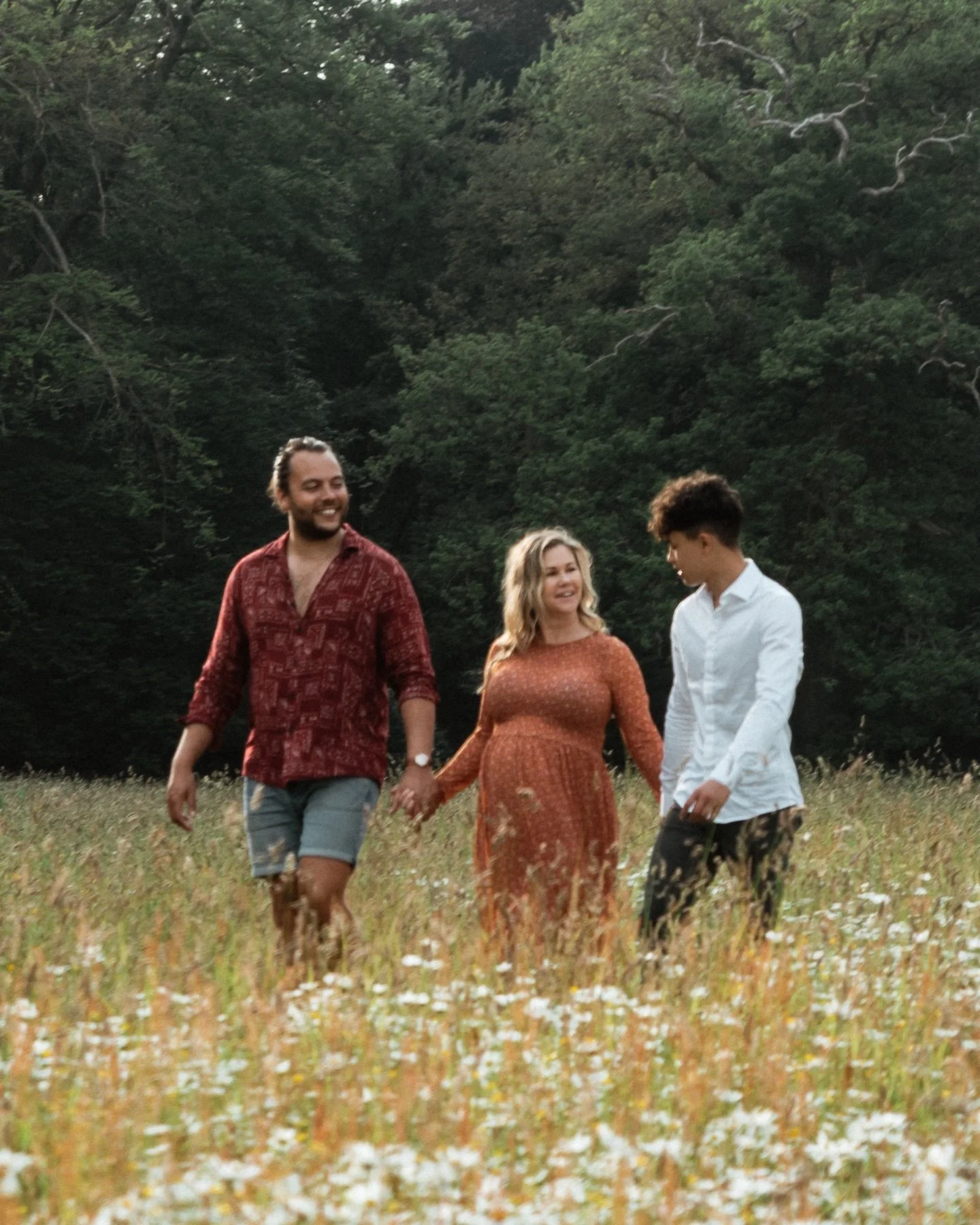
For parents and caregivers, including step-parents and foster parents, as well as grandparents, teachers, childcare workers, coaches, youth workers and anyone who plays a role in a child’s life. Whether you keep getting stuck in the same arguments at home, or want more calm and connection in the classroom or on the pitch.
The training was developed by Brenda Sarbach and draws on many sources: the work of Thomas Gordon, Faber & Mazlish, Daniel Siegel, Haim Omer, Philippa Perry and Jan Geurtz, among others; her many years of working with young people and teenagers, in which she sees where their needs really lie; and her own experience as a mother of two sons, now aged 21 and 5, and the growth she has gone through in that role. This is how science and life experience come together in a training that works in real life. You don’t need any prior knowledge. What you do need is the willingness to look at yourself and to practise.
Good to know.
The questions we’re asked most often. Can’t find yours? Email your question to info@goinsideout.nl and we’ll get back to you quickly.
-
For the open group, you pay €850 per person for the six evenings. If two parents or caregivers from the same family take part within a year, you pay €1,500 together. For a school or organisation, we put together a tailored proposal.
-
Six evenings of 3 to 4 hours. Between the evenings, you practise the tools at home, in your normal everyday life.
-
For anyone who guides children and young people: parents and caregivers (including step-parents and foster parents), grandparents, teachers, childcare workers, coaches and youth workers. The tools work even if your child is older.
-
Yes. We also run the training for a dedicated group, such as the staff of a school, a childcare centre or a sports club. Get in touch to discuss the options.
-
Fill in the registration form on the Dates page. Within two working days we’ll contact you personally to get acquainted and confirm your place. Got a question first? Choose that option in the form or email info@goinsideout.nl.
Reading list
Further reading.
Books that inspire us and fit well with the training. For anyone who wants to explore further, before or after the sessions.
On parenting
Parent Effectiveness Training
Thomas Gordon
The classic on truly listening and talking without power. This is where it starts.
Teaching Children Self-Discipline
Thomas Gordon
How children learn to steer themselves, without punishments or rewards.
How to Talk So Kids Will Listen & Listen So Kids Will Talk
Adele Faber & Elaine Mazlish
Practical and recognisable: what to say so your child listens, and how to listen so your child talks.
The Whole-Brain Child
Daniel Siegel & Tina Payne Bryson
How your child’s brain develops, and how to use that in difficult moments.
Inventing Ourselves: The Secret Life of the Teenage Brain
Sarah-Jayne Blakemore
What happens in the teenage brain and why this period is so special, by one of the leading researchers in the field.
Hoogbegaafd. Als je kind (g)een Einstein is (in Dutch)
Tessa Kieboom
A clear introduction to what giftedness is and how to support your child.
Peaceful Parent, Happy Kids
Laura Markham
On connection instead of control, with calm in yourself as the foundation.
Unconditional Parenting
Alfie Kohn
Why love without conditions works: moving from punishments and rewards to love and reason.
Het einde van de opvoeding (in Dutch)
Jan Geurtz
A radical and liberating view: less parenting, more connection.
The Anxious Generation
Jonathan Haidt
What smartphones and social media do to children and young people, and what we as adults can do differently.
On yourself
Books to get to know yourself better.
The Book You Wish Your Parents Had Read
Philippa Perry
On how your own childhood shapes the way you parent, and how to break that pattern.
The Drama of the Gifted Child
Alice Miller
On the child who learned to sense what others needed, and the adult who finds themselves again.
Parenting with more calm and joy?
Sign up for the next training, or request a programme for your school or organisation. Sign up using the form and we’ll contact you personally within two working days.
Sign up or ask a question or book a personal chat